Cold Chain & Reefer Logistics: Keeping Produce Fresh Across Oceans
How temperature-controlled logistics protect fresh produce on long-haul shipments — reefer settings, pre-cooling, and what buyers should specify.
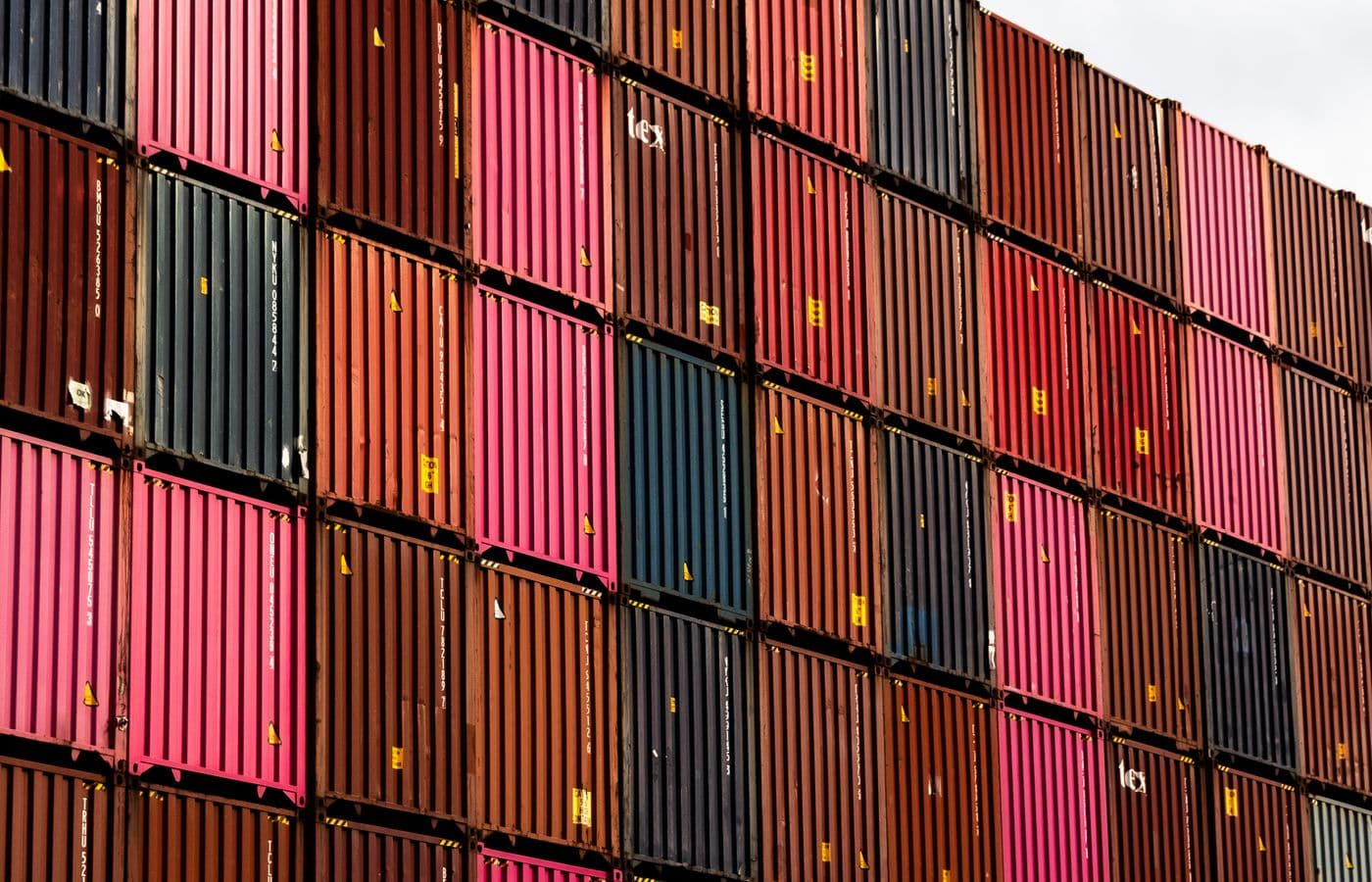
Fresh produce can spend weeks at sea before it reaches your warehouse. The cold chain — unbroken temperature control from farm to destination — is what keeps it saleable on arrival.
Pre-cooling matters most
Removing field heat soon after harvest slows ripening and decay. Produce loaded warm into a reefer never fully recovers, so pre-cooling is the single biggest quality lever.
Getting reefer settings right
Each commodity has an ideal transport temperature and humidity. Set them correctly and confirm them on the booking — onions, pomegranates, grapes, and bananas all behave differently. Ventilation and airflow settings matter as much as temperature.
Avoiding cold-chain breaks
The risks are at the transitions: loading, port handling, and customs. Proximity to major ports (JNPT/Mumbai) and tight loading schedules reduce the time produce spends outside controlled conditions.
What buyers should specify
- Target carriage temperature and humidity
- Container type (reefer vs ventilated)
- Packing that allows airflow
- Required transit documentation
We handle reefer and ventilated loading with controlled cold-chain handling. Request a quote and tell us your destination — we’ll confirm the right setup.
Need this product for your market?
Request a Quote